
Medical Work and Moral Injury
This Is Going to HurtThis flow explores how the ethic of helping patients can become entangled with fatigue, guilt, and a damaging expectation of limitless self-sacrifice.
increasing Bearing strength in each event
 decreasing
Bearing strength in each eventdecreasingThe First Rescue

The First Rescue
Professional pride
Kay saves a patient in an emergency and feels, briefly, like a superhero. His training has given him the ability to act when another person is close to death.
A careful interpretation
He also knows that such outcomes usually depend on teamwork. The profession’s moral satisfaction is real, but it should not be mistaken for proof that one individual can carry every responsibility.
The Shift Past the Limit
The Shift Past the Limit
Too many patients
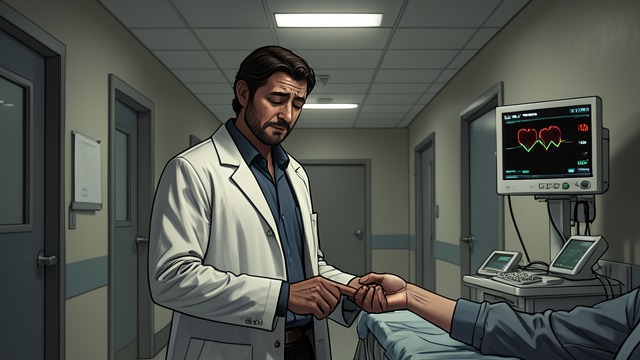
A junior doctor receives cases faster than he can safely see them, and senior help is unavailable. Kay triages by urgency and explains delays as best he can.
Praise and normalization
A nurse praises him for getting through the night. The kindness matters, but it risks making endurance look like an adequate solution to a workload that exceeds capacity.
The Necessary Choice
The Necessary Choice
A private sacrifice
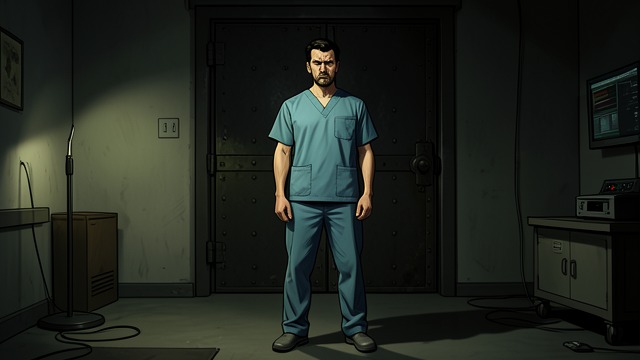
Kay gives up date night to choose a procedure that will be better for his patient. The decision is consistent with his professional ethic and painful within his relationship.
A pattern of cost
An isolated sacrifice can seem honourable; repeated sacrifice can become the ordinary operating model. The book asks what happens when good clinicians are expected to absorb every conflict themselves.
Guilt After the Birth
Guilt After the Birth
A tragedy without a mistake
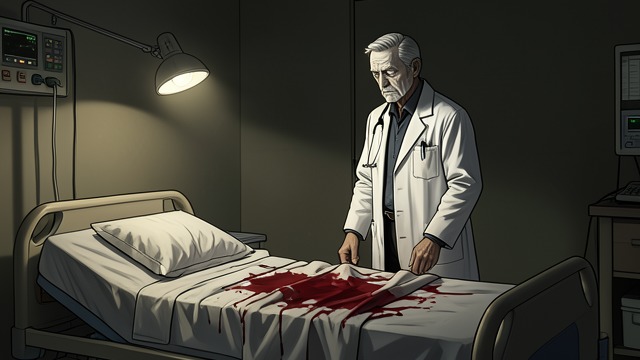
Kay has followed the rules and other doctors would have acted similarly, yet he feels personally responsible for the deaths and severe haemorrhage. Reasonable reassurance cannot reach him.
Responsibility turned inward
His professional commitment becomes a demand that nothing terrible ever happen again. This impossible standard changes his clinical decisions and makes guilt a force shaping future care.
The Cost of Staying
The Cost of Staying
Service and injury coexist
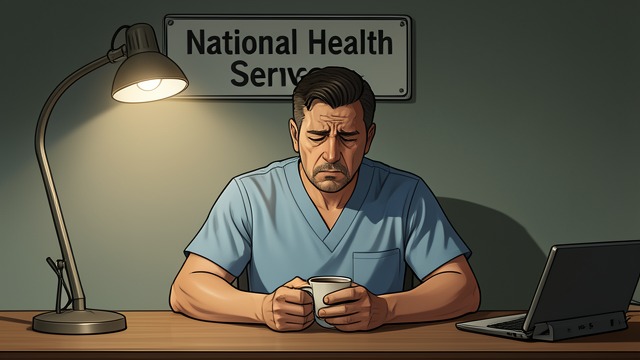
Kay respects those who continue working in the National Health Service, but acknowledges that the job became too much for him. He does not confuse leaving with ceasing to care.
Ethics need conditions
A commitment to patients cannot safely depend on endless fatigue or unspoken trauma. His story suggests that protecting care also means protecting the people expected to provide it.
31 January 2005
29 July 2005
24 September 2010
The weeks after 5 December 2010
By the end of Kay’s career
